
Our Services
RoVolus provides a wide spectrum of environmental- and energy-related services for aviation stakeholders, including:
FAA Regulatory and Policy Support
RoVolus is a specialized firm that is dedicated to serving the environmental needs of the transportation sector. This focus is reflected in the fact that RoVolus is currently serving as the prime contractor on a $51 million Policy, Engineering, Analysis and Research Support (PEARS II) contract for the FAA where RoVolus is performing analysis, research, and engineering that supports the development of regulatory models for emission quantification and simulation and the establishment of national policies.
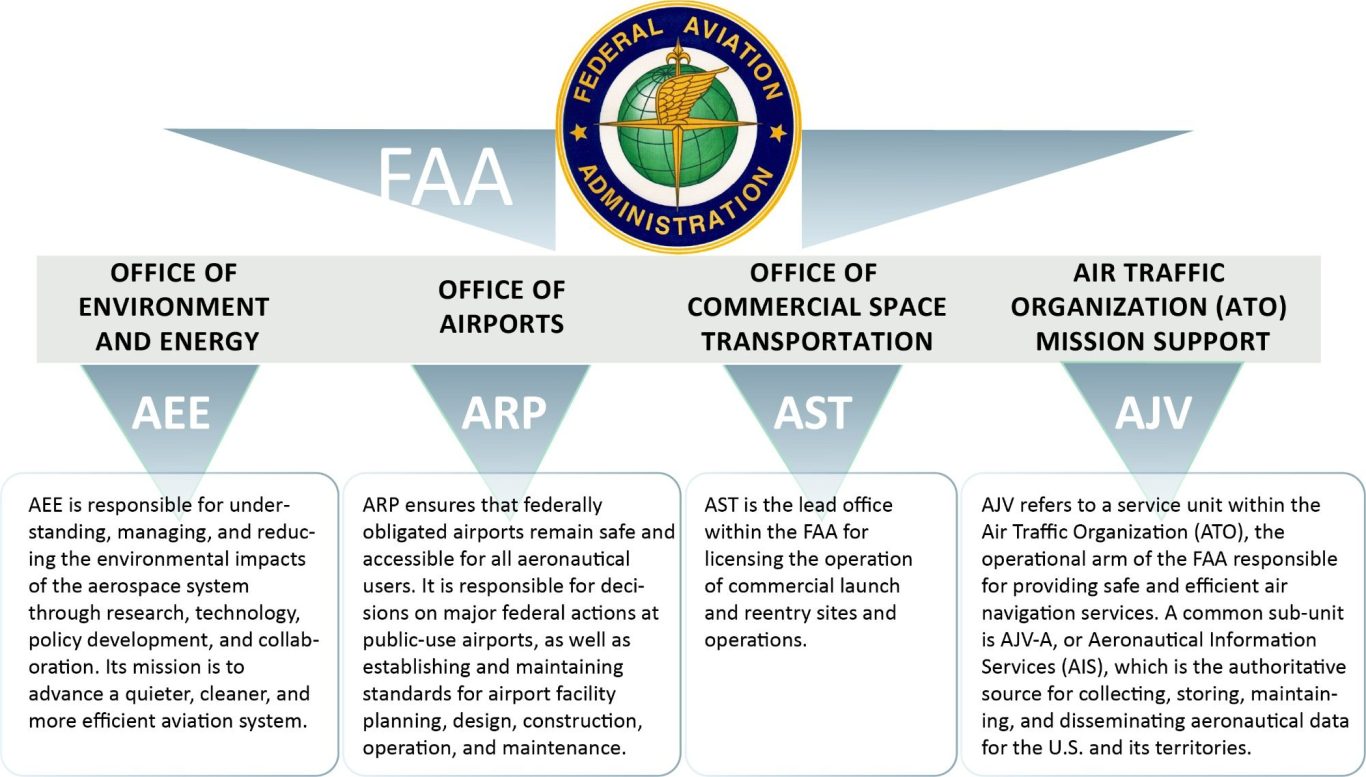
Examples of project types typically performed by RoVolus under the PEARS II contract include:
- Air Quality Inventories and Permitting
- Air Quality, GHG Emissions and Noise Exposure Analysis
- NEPA Reviews
- Mitigation of Environmental Impacts
- Fuels Analysis, Energy Conservation, and Sustainability Management
- Stakeholder Engagement
Emission Inventory: In addition to being proficient in the preparation of emissions inventories, RoVolus has also had the privilege of developing guidance on emissions inventories from our work on FAA’s Aviation Emissions and Air Quality Handbook and developing guidance for federal agency practices, such as our development of guidance on the application of 40 CFR 93 to the emission analysis of airport projects. RoVolus also continues to serve key roles in the ongoing development of FAA’s Aviation Emissions Design Tool (AEDT). Our understanding of the core architecture of AEDT and all supporting models provides us unique understanding of how emissions inventories are assembled.
Research: RoVolus has a deep familiarity with myriad research programs and has direct relationships with these research teams through our work for FAA on developing the Contrails Research Roadmap and through our ongoing support of FAA’s Environment and Energy Emission Division (AEE-300). These relationships enable us to (a) have awareness of what research has been completed, (b) communicate with the researchers about what are the next steps for research, and (c) understand the applicability to the airport industry.
Inventory Tools: RoVolus is one of the leading providers of airport emission inventories and thus is an experienced user of the latest emission inventory tools. Over the past decade, the most glaring change in emissions modeling is the retirement of FAA’s Emissions and Dispersion Modeling System (EDMS) and inauguration of the AEDT model. This entirely new model combined legacy models for both noise and emissions, completely changing the requirements for preparing an emissions analysis.
Decarbonization: The creation of GHG inventories and decarbonization planning has been a new frontier in modeling with multiple tools becoming available. In 2024, AEDT was updated in version 3f to allow for GHGs to be included in emission inventories. In addition, the Airport Carbon and Emission Reporting Tool (ACERT) has been developed under the supervision of Airports Council International (ACI). Other tools, such as the Airport Construction Emission Inventory Tool (ACEIT), have become part of the tool chest for preparing airport inventories. Industry has also begun to recognize the challenges of using the Delay Sequencing and Queuing Model (DSQM) within AEDT. These challenges come from (a) DSQM’s use of a randomized kernel which affects repeatability, and (b) inconsistencies of DSQM results with the Total Airspace and Airport Modeler (TAAM) or SIMMOD delay calculations.
Regulatory Changes and Other Relevant Guidance: RoVolus was prime contractor for the 2024 revisions to FAA’s Aviation Emissions and Air Quality Handbook, as well as the revisions to the five guidance documents (four FAA documents and one Federal Highway Administration document) regarding the distinctions between Transportation and General Conformity. Importantly, RoVolus’ contract work also currently includes providing embedded staff to work on revisions to Order 1050.1G Environmental Impacts: Policies and Procedures. This inside experience working as the prime contractor for FAA’s AEE-300 gives RoVolus a deep understanding of both current and upcoming regulatory changes and potential guidance documents. Capturing the entire array of changes in inventory tools is one of the most important steps in establishing what needs to be in guidance documents. Specifically, these new tools will form the backbone of how future inventories need to be created. RoVolus’ behind the scenes understanding of how AEDT works makes us uniquely able to capture nuance and explain the logic behind the modeling tools.
For further reading please click on the following Job Briefs:
Air Quality and Aircraft Noise
The air quality services provided by RoVolus include:
General Conformity Analyses: The Clean Air Act (CAA) requires that emissions from construction projects for airports located in an area of poor air quality (designated as either “maintenance” or “nonattainment” for a particular criteria air pollutant), are reflected in the state’s air quality improvement plan or state implementation plan (SIP). Sponsors of airports located in maintenance and nonattainment areas must follow General Conformity regulations (a section of the CAA) to receive FAA approval for expansion projects or capital funding. If the project’s emissions are not properly accounted for in the SIP emission budget, federal law can delay or even prohibit project implementation. In essence, this requires that an airport project whose emissions exceed a threshold (de minimis) be compared to the emission budget in the SIP. Otherwise, an airport sponsor must completely offset air emissions resulting from a project. Projects may not be undertaken until one of these conditions is satisfied.
As required by 40 CFR 93.159(d), an airport sponsor is generally required to provide emissions inventories for each nonattainment pollutant for the following years:
- Baseline Year: as established in the SIP
- SIP-Specified Year: as established in the SIP
- Year of Maximum Emissions: generally, the peak year of construction activities
- Furthest Reasonably Foreseeable Year: based on the time frames of development plans
The overall objective of our work is to ensure that all foreseeable airport development projects are included in the SIP so when FAA makes a future environmental determination, conformity can be demonstrated via the requirements of 40 CFR 93.158 (a) (1). Given the numerous air quality regulatory agency personnel that will likely be involved in accommodating airport-related emissions in the SIP, considerable agency coordination is required. Our initial meetings with the state environmental regulatory agency usually focus on the regional and economic importance of future development projects and the airport sponsor’s desire to ensure an accurate and robust documentation of current and future emissions. This consensus building approach is important because SIPs are amended infrequently and the airport sponsor’s request for inclusion in the SIP will be placing a work burden on the regulatory agency.
Airport Emissions Inventories: The first step in any airport emissions inventory is to develop an inventory protocol that ensures a highly efficient and accurate accounting of on-airport emissions. Our sophisticated understanding of AEDT’s algorithms and the sources of default assumptions allows us to model critical airport emissions accurately and efficiently. Thus, rather than exclusively relying on air quality model defaults for emission sources that can oftentimes be inappropriate, we will use actual operational data whenever possible. This approach involves (a) interviewing airport sponsor staff, (b) consulting sponsor staff and air traffic control records, (c) utilizing commercial databases, and (d) conducting airport site visits and making real-time measurements.
BREAKDOWN OF EMISSION SOURCES
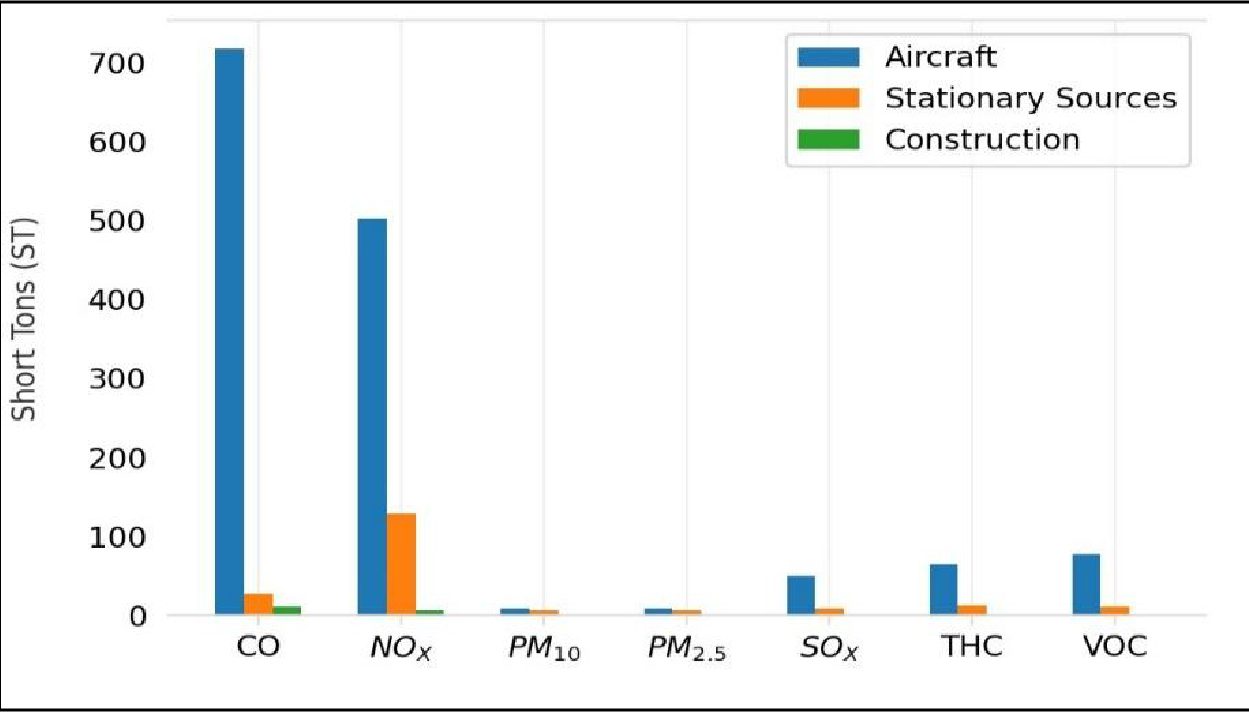
Not all emission sources can be measured directly. However, many emission sources that account for a significant portion of on-airport emissions can be quantified by visual and time measurements. This includes aircraft auxiliary power unit (APU) usage at the gate, ground support equipment (GSE) activity, and vehicular traffic. When practical, a large and diverse volume of observed operational data are collected and then averaged, with data being weighted according to several different variables (e.g., time of day, equipment owner/operator, and weather conditions).
It is vitally important that we closely coordinate the development of our emissions inventory protocol with the sponsor, regulatory agencies, and the FAA to ensure that our approach to data collection, operational assumptions, and air quality modeling methodologies are valid, reasonable, and consistent. Additionally, as data is being collected, we coordinate with all stakeholders to (1) ensure its accuracy, and (2) seek their concurrence prior to performing the air quality modeling.
For further reading please click on the following Job Brief:
The aircraft noise services provided by RoVolus include detailed noise modeling and impact analyses in the following categories:
- Civilian airports
- Department of Defense (DoD) airfield installations
- Joint use airfields
- Military training routes
- Special use airspace and military operating areas
- Sonic booms
- Ground vehicles
- Railway vehicles
- Construction operations
We have extensive experience performing environmental noise and impact analysis for NEPA projects for both civilian and military aviation actions. For areas experiencing noise impacts and/or increased annoyance due to noise, RoVolus provides noise mitigation and abatement solutions including operational mitigation measures and active mitigation measures, such as the implementation of outdoor sound barriers.
Modeling noise impacts that are associated with various projects in and around airports and the U.S. National Airspace System (NAS) is as the heart of RoVolus' capability, and our consultants have extensive experience formulating and designing modeling scenarios, executing those scenarios, and creating detailed, professional documents reporting the results of modeling activities. Noise analyses performed adhere to the following standards and impact criteria:
- FAA Order 1050.1G Environmental Impacts: Policies and Procedures
- DoDI 4715.13 (DoD Noise Program)
- AFI 32-7070 (Air Force Noise Program)
- FTA Report No. 0123 (Transit Noise and Vibration Impact Assessment Manual)
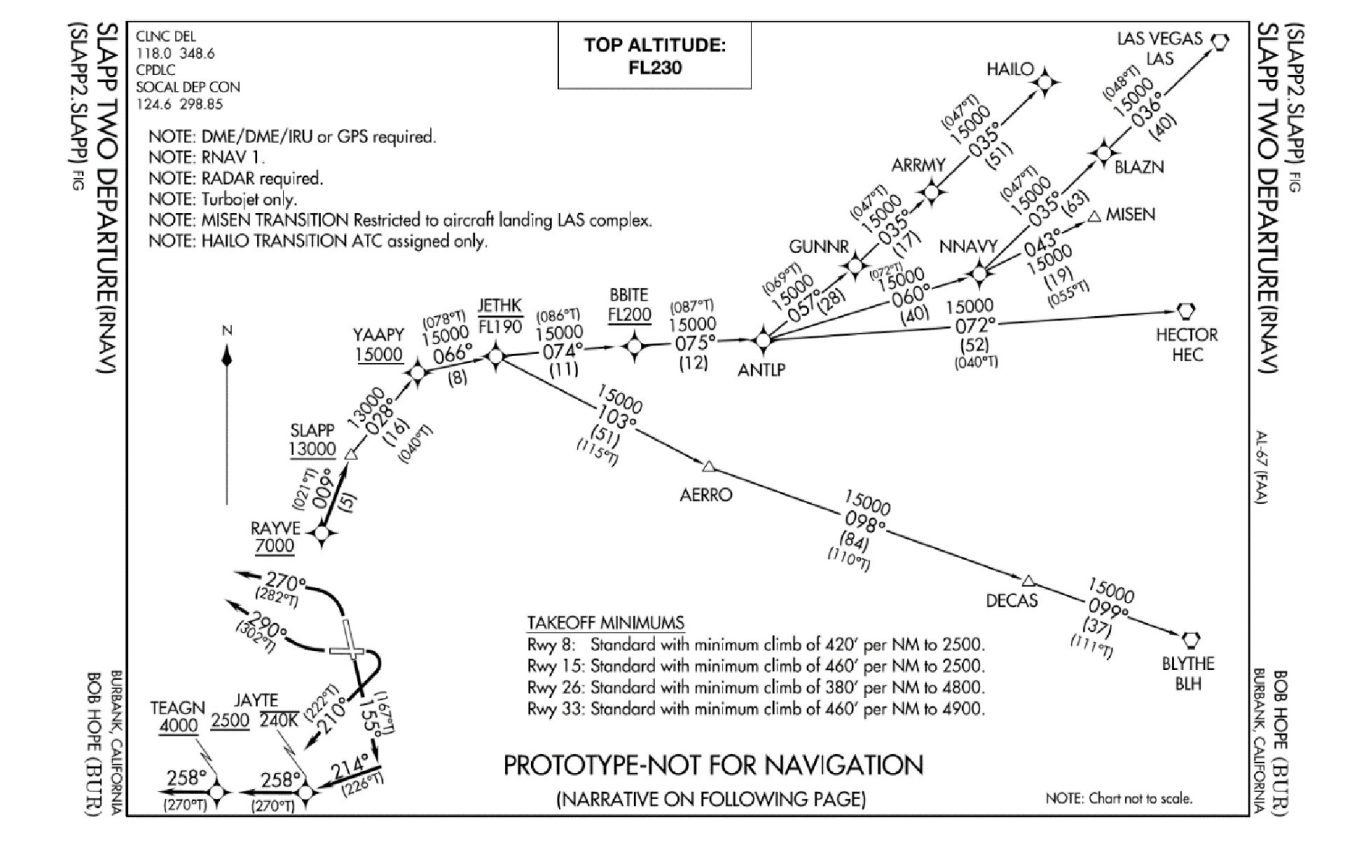
BENEFITS OF OPEN STANDARD INSTRUMENT DEPARTURES
For further reading please click on the following Job Brief:
National Environmental Policy Act
RoVolus and its consultants are leaders in preparing NEPA documents and conducting a wide variety of analyses pursuant to environmental requirements for federal transportation projects. RoVolus consultants are experienced working on challenging NEPA reviews, many which involve extensive coordination with elected officials and government stakeholders.
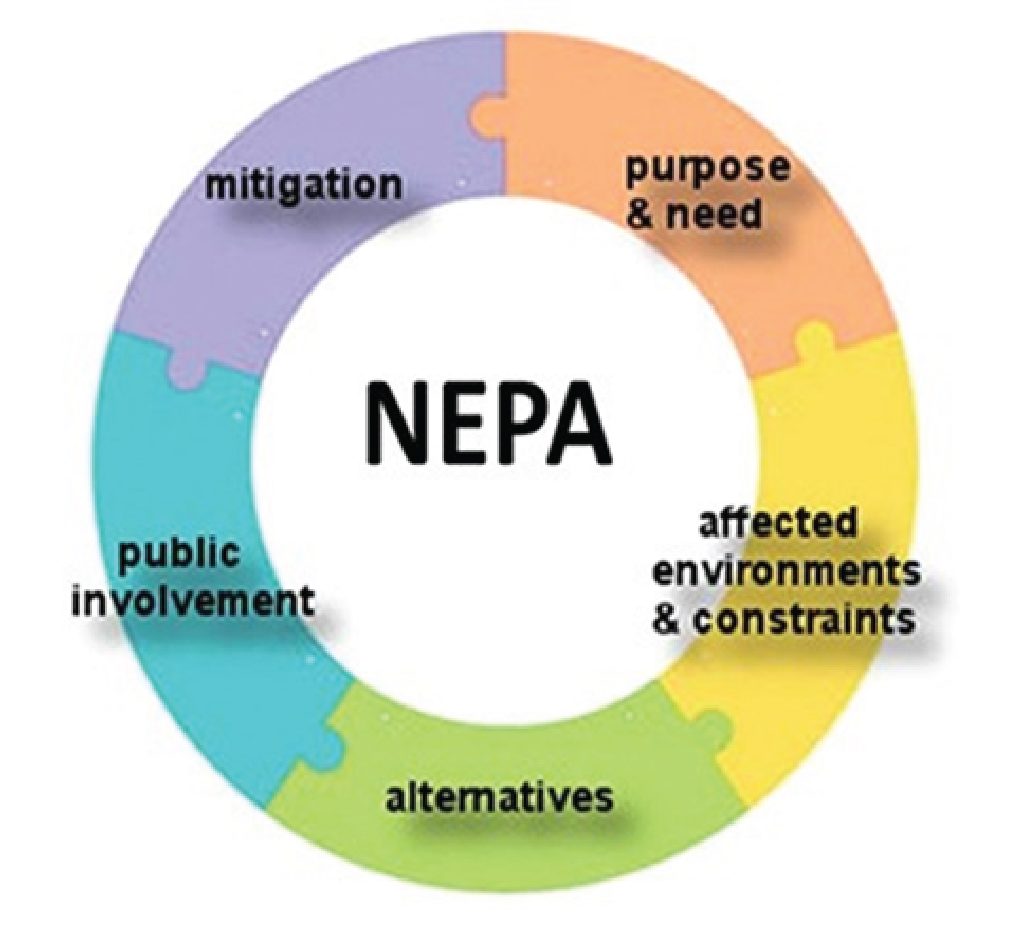
Our NEPA services include:
- Preparation of Categorical Exclusion (CATEX), Environmental Assessment (EA), and Environmental Impact Statement (EIS) documents
- Develop Purpose and Need statements
- Work with airport sponsors to develop Proposed Action and Alternatives
- Air quality and emissions modeling and analysis
- Noise and vibration modeling and analysis
- Airspace analysis
- Climate analysis
- Environmental justice analysis
- Safety analysis
- Serve as airport sponsor's representative
- Attend public meetings/workshops
We work closely with airport sponsors and the FAA to construct realistic NEPA document delivery plans that can be executed efficiently and accurately.
For further reading please click on the following Job Brief:
Grant Funding
Rovolus attributes our successful history assisting airport sponsors obtain environmental grants to our company-wide focus on how airports are managed, how they operate, and how they are financed. Additionally, Rovolus personnel have spent countless hours establishing relationships with FAA’s Airports Office at headquarters and at regional and district offices throughout the United States. These longstanding relationships have allowed us to fully understand FAA’s numerous funding requirements, scheduling milestones, and procurement criteria.
Our grant funding assistance includes experience with the following programs:
FAA's Voluntary Airport Low Emission (VALE) Program:
The FAA’s Office of Airports established the VALE Program in 2004 to encourage eligible airport sponsors to engage in clean technology projects. Since the Program’s inception, Rovolus staff have supported airport sponsors in the United States secure 64 VALE Program grants totaling for projects valued at over $180 million. The VALE Program provides a significant financial contribution to airports pursuing air quality improvements. Historically these funds were restricted to airports in areas designated by the United States Environmental Protection Agency (EPA) as non-attainment or maintenance of National Ambient Air Quality Standards (more than 160 commercial service airports). The 2024 FAA Reauthorization expanded eligibility to all commercial service airports. Eligible small-hub airports can receive up to 90% reimbursement of all eligible project costs through the VALE Program and medium- and large-hub airports can receive up to 75% reimbursement.
As the VALE Program is funded through the Airport Improvement Program’s (AIP) discretionary Environmental and Noise Set-Aside budget, project funding is discretionary and does not decrease an airport’s normal entitlement funding. As a result, VALE Program funding represents “new money” not otherwise available to an airport sponsor, and project costs that are eligible for VALE Program funding may include fees associated with preparing the VALE Program application and engineering/design costs. In addition to providing funding for the purchase and installation of low-emission equipment, the VALE Program can also provide funding for the necessary infrastructure to support a project such as additional electrical upgrades required to operate equipment.
Because both tenant airlines and airport sponsors benefit from many project types, stakeholders are incentivized to partner together for a VALE Program project by providing financial support or joint commitment to a project. Projects often can (a) lead to operational savings that can result in a return on investment (ROI) in just a few years, and (b) generate Airport Emission Reduction Credits (AERCs) that may be applied to future capital projects to avoid government-mandated airport emission control measures. Eligible project types include gate preconditioned air (PCA) and ground power, electric ground support equipment (eGSE), remote ground power at hardstands, alternatively fueled vehicles, and central utility plant (CUP) improvements.
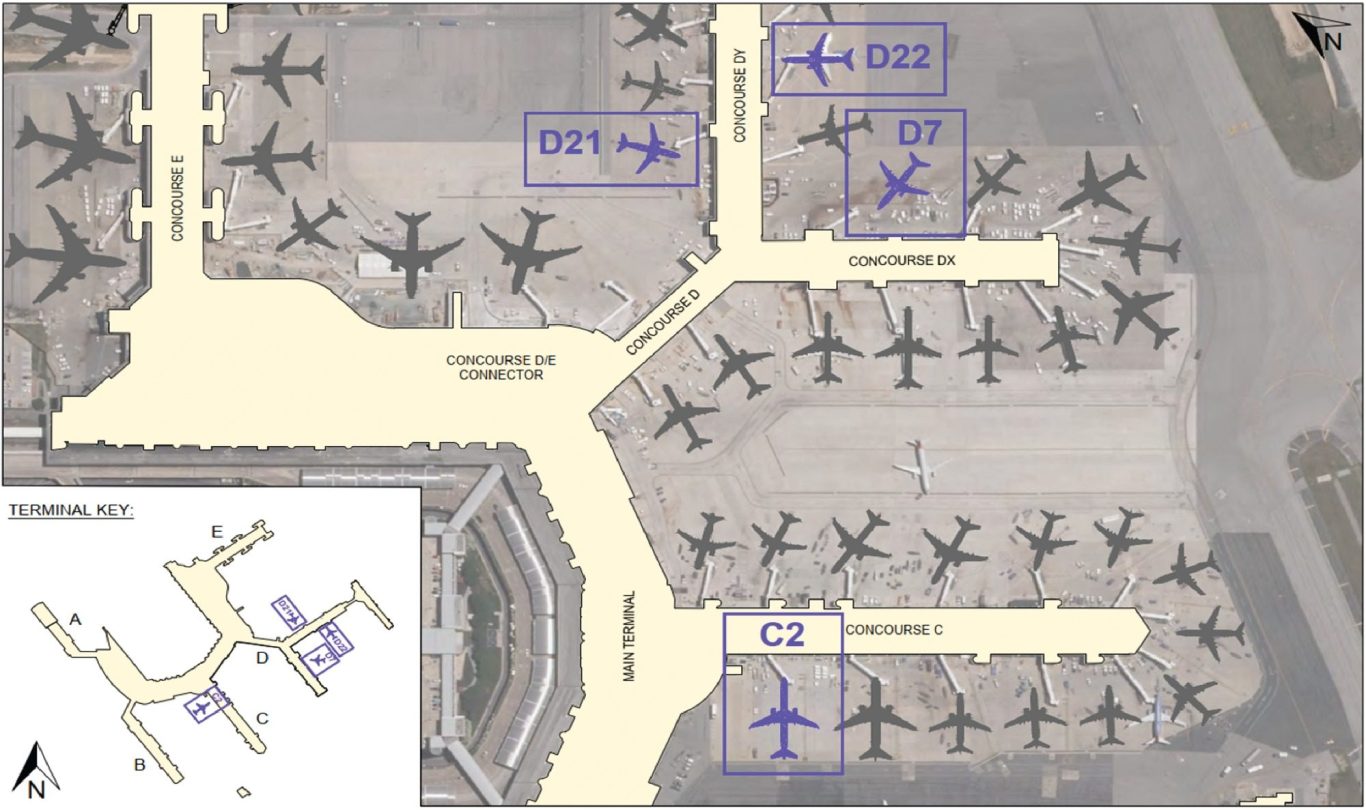
LOCATIONS OF PCA UNITS AND GPUS
BALTIMORE/WASHINGTON INTERNATIONAL THURGOOD MARSHALL AIRPORT
EPA's Diesel Emission Reduction Act (DERA) Clean Diesel Program:
The DERA Program (or “Clean Diesel” Program) offers grant funding assistance at the federal and state levels for projects that remove heavy polluting diesel engines (including diesel-powered GSE) from the nation’s transportation infrastructure. Historically, DERA Program grants have provided funding for either (1) up to 25% of the total eGSE purchase cost, or (2) 40% of GSE conversion cost to electric. Importantly, an award can be transferred from a recipient to a third party, such as from an airport sponsor to a partnering tenant airline. Rovolus staff have had success with securing federal and state DERA Program funding for airport sponsors, including eGSE, PCA, and alternative fuel vehicle projects. DERA Program solicitations have typically required requested funding amounts ranging from $200,000 to $500,000, thus making it financially advantageous for airport sponsors and airlines seeking a small- to medium-scale conversion project to participate.
FAA's Energy Efficiency of Airport Power Sources ("Section 512") Program:
Like VALE Program funding, Section 512 Program funding is AIP-discretionary, and an airport sponsor would still be eligible for up to either a 75% or 90% share of federal reimbursement. As Section 512 projects focus on energy savings (unlike VALE Program projects) and energy resilience, a sponsor would not be able to seek AERCs to offset future emission increases at their airport.
It is important to note that solar PV arrays used to be funded by FAA through the VALE Program but have since been reclassified as an eligible project type under the Section 512 Program. RoVolus has experience preparing Section 512 grant requests, or “energy assessments”, which require complex ROI analyses and comprehensive audits of energy consumption and solar energy production and allocation.
For further reading please click on the following Job Briefs:
Energy
The Clean Air Act and subsequent legislation, as well as the FAA’s Airport Climate Challenge encourage airport sponsors to lower GHG emission footprints and accelerate the clean energy transition. Airport sponsors can take advantage of several FAA funding programs to meet this goal, including grants for low- or zero-emissions vehicles, renewable energy production, energy assessments and other efforts. Identification and prioritization of energy reduction opportunities require: (1) effective evaluations by technical, regulatory, and market experts, and (2) knowledge and experience with the full range of implementation strategies and funding sources. RoVolus operates independently of energy solution providers, thereby allowing us to prioritize cost-effective improvements and evaluate the alignment with an airport sponsor’s core values.
Our energy services include:
Decarbonization: RoVolus has been at the forefront of assisting airport sponsors achieve Airport Carbon Accreditation (ACA). ACA was developed by ACI with the aim of encouraging and enabling airport sponsors to implement best practices in carbon management and achieve emissions reductions. Accreditation provides the opportunity for airport sponsors to gain public recognition for their achievements, promotes efficiency improvements, encourages knowledge transfer, raises an airport’s profile and credibility, encourages standardization, and increases awareness and specialization. It is the only voluntary global carbon management standard for airports. ACA is aligned with the Greenhouse Gas Protocol, the ISO 14064 principles, and the ISO Net Zero Guidelines IWA 42:2022 which set the framework and management system to develop a carbon footprint and identify projects to reduce emissions. Accredited airports receive a certificate indicating the level they have achieved and the duration of the validity of the accreditation.
ACA AND THE GREENHOUSE GAS PROTOCOL
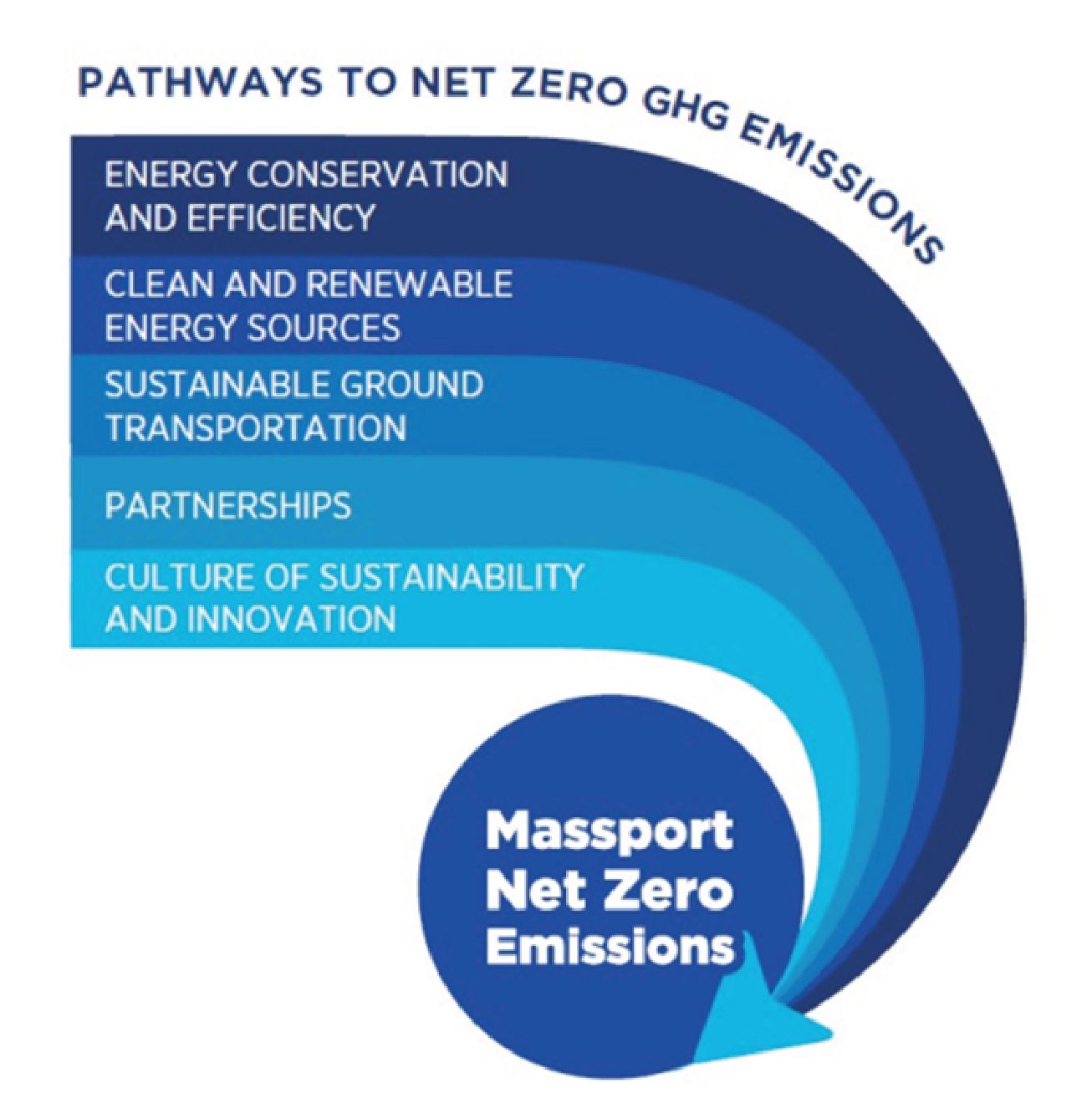
A GHG inventory covering a 12-month period is a key component of ACA accreditation. The program has adopted the principles of the Greenhouse Gas Protocol to ensure that the reported information is a fair representation of an airport operator’s emissions. At ACA Level 2 and above, an airport sponsor should develop a Carbon Management Plan (the Plan) to demonstrate the meaningful efforts by the airport sponsor to reduce emissions in line with the set target and policy statement. As a minimum, the Plan should cover Scope 1 and 2 emissions as they have been defined in the carbon footprint. After its initial development, the Plan should be updated at least every three years. Airport sponsors need to provide supporting written evidence as required in the application form to demonstrate that the Plan is being implemented effectively. The Plan should contain at least the following parts:
Responsibility, resource allocation, and organizational structure
- GHG management initiatives
- Implementation plan
- Communication, awareness, and training
- Self-assessment/auditing
Public written evidence of a policy commitment to GHG, carbon, or energy reductions at the highest level (i.e., Chief Executive Officer, Chief Operations Officer, Board of Directors) in the form of a signed policy statement is required. A policy statement provides the opportunity to demonstrate executive-level commitment, raise the importance of emission reductions and energy efficiency, and develop the framework for meeting the program’s requirements. It is recommended that airport sponsors consolidate all the key carbon footprint information and data into a Carbon Footprint Report for an airport’s Scope 1 and 2 emissions.
For further reading please click on the following Job Briefs:
Utility Rate Analyses: RoVolus has found that airports often have numerous electricity accounts with even more electrical meters that are charged by consumption, demand, or a combination of consumption and demand. Different accounts charged to the same customer are often charged using each of these charging methodologies, making cost analysis, and therefore cost reduction strategies, very complicated. Additionally, it has often been found at airports that demand charges can overwhelm consumption charges, and therefore, strategies that reduce the peak demand can have an exaggerated benefit on reducing electricity costs.
UNDERSTANDING THE UTILITY COSTS
ALBUQUERQUE INTERNATIONAL SUNPORT
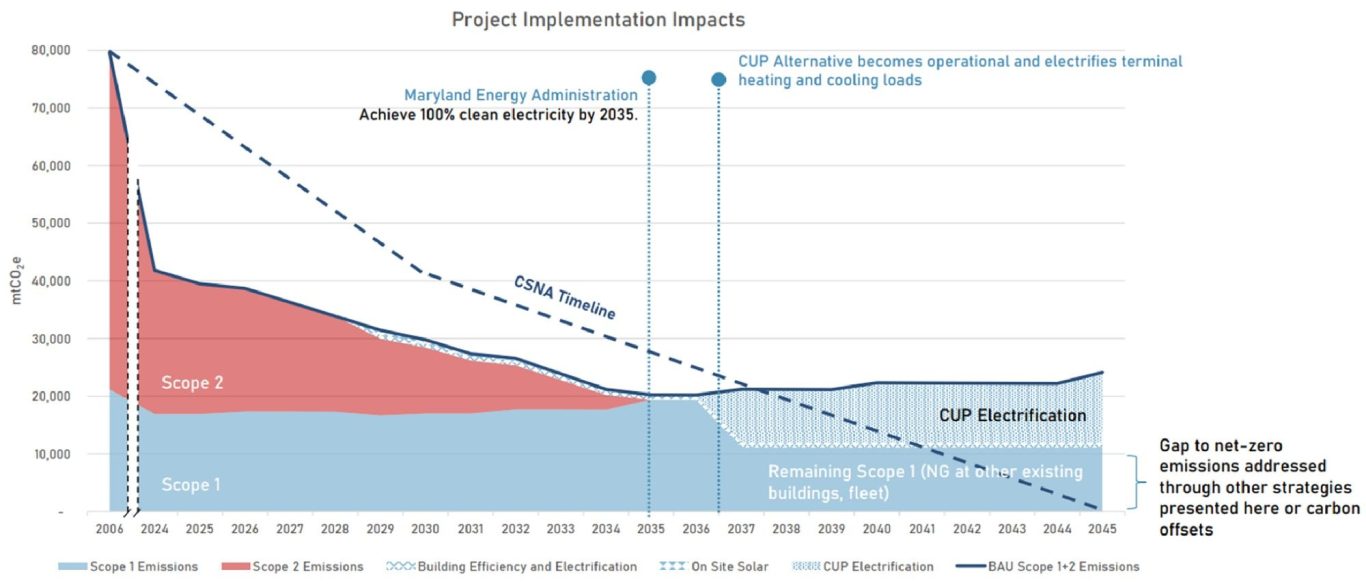
RoVolus has experience analyzing utility rate structures, airport utility accounts, arrangements for net metering, and rate-based strategies for minimizing costs. Our approach includes analyzing: (1) monthly electricity billing statements for all accounts, (2) total energy consumption by electricity meter, (3) energy consumption by airport tenants, (4) detailed time of use usage and demand data, and (5) specifications of utility billing rate structures that apply to each of the sponsor’s utility accounts. The results of these utility rate analyses provide airport sponsors with a better understanding of the true costs of their electricity bills (consumption vs. demand) and how solar PV arrays can help offset those costs.
For further reading please click on the following Job Brief: